Stuck with liens, open permits, or daily fines? Learn how to sell a house with code violations without fixing them yourself.
Understanding Florida Code Enforcement
Every Florida municipality has code enforcement departments tasked with maintaining property standards and safety. What starts as a warning letter about your grass being too tall can escalate into thousands of dollars in fines and liens that cloud your property's title. Understanding how the system works is your first step toward resolving the issue.
How Code Enforcement Works in Florida
Florida Statute Chapter 162 establishes the legal framework for code enforcement. Here's the typical progression:
Step 1: Initial Notice. A code enforcement officer (CEO) observes or receives a complaint about a violation. They issue a Notice of Violation giving you a specific timeframe to correct the issue—typically 7-30 days depending on the violation type.
Step 2: Re-inspection. If the violation isn't corrected, the CEO conducts a re-inspection. If the violation persists, the case escalates.
Step 3: Code Enforcement Board or Special Magistrate Hearing. You receive a Notice of Hearing. At the hearing, the code enforcement board (a panel of citizen volunteers) or special magistrate (a single hearing officer) reviews the case. If you don't appear or can't prove compliance, they issue an Order requiring correction by a specific date.
Step 4: Fines Begin. If you miss the compliance deadline in the Order, fines begin accruing. Florida allows fines up to $250/day for first-time violations and up to $500/day for repeat violations. Some municipalities impose fines up to $1,000/day for violations that create immediate threats to health and safety.
Step 5: Lien Recording. Once fines accumulate, the municipality records a lien against your property in the public records. This lien must be satisfied before you can sell or refinance with clear title.
The Daily Fine Trap: How Small Problems Become Financial Disasters
The math is brutal. A $100/day fine for an 'overgrown grass' violation that goes uncorrected for one year equals $36,500 in fines. We've seen properties with code violation liens exceeding $100,000—sometimes more than the property is worth.
Real Example: A Fort Myers homeowner received a violation for an unpermitted shed in 2019. Thinking it would 'blow over,' they ignored the notices. By 2024, with fines accruing at $150/day, the lien totaled over $270,000. The property was only worth $180,000.
This isn't rare. Code enforcement departments across Florida have become more aggressive about compliance, and fines accumulate whether you know about them or not.
Common Code Violations in Florida
Property Maintenance Violations
Overgrown vegetation: Most municipalities require grass to be kept under 12 inches. Overgrown yards, dead trees, and uncontrolled vegetation trigger violations quickly—especially if neighbors complain.
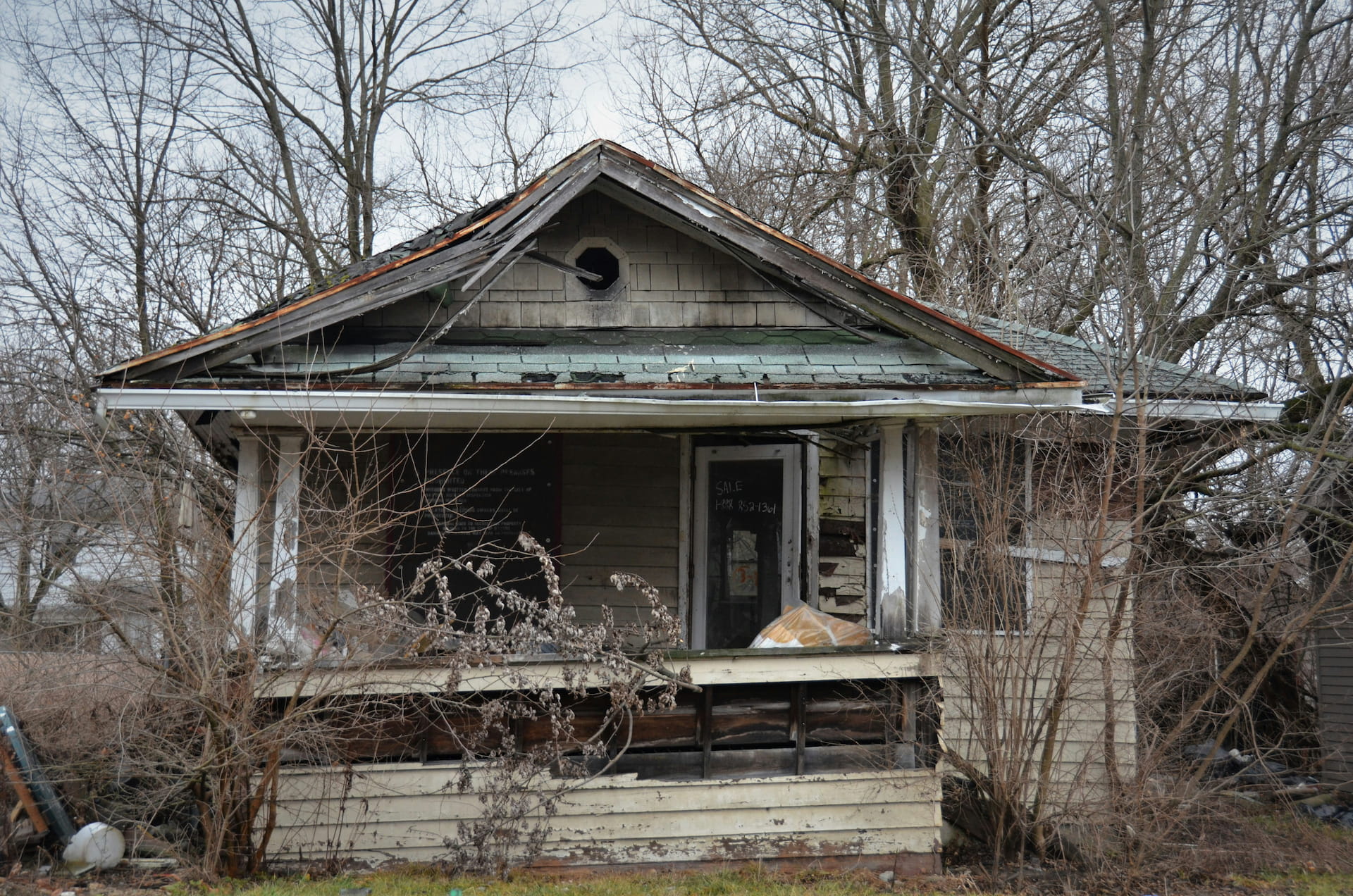
Peeling paint and deteriorated conditions: Exterior paint that's peeling, rotted wood, damaged soffits, and general deterioration can trigger 'blighted property' citations.
Junk vehicles: Unregistered, inoperable, or abandoned vehicles on your property violate most local codes. This includes vehicles on blocks, vehicles with flat tires, or vehicles without current registration.
Debris and trash: Accumulation of trash, construction debris, old appliances, or other junk on your property creates violations.
Swimming pool maintenance: Pools must be maintained, properly fenced (per Florida Building Code), and free of green water that can breed mosquitoes. Neglected pools can trigger health department involvement.
Building Code and Permit Violations
Unpermitted construction: Any structural work—additions, room conversions, garage enclosures, pool installations, roofing, electrical, plumbing—requires permits in Florida. Work done without permits creates open code cases.
Open/expired permits: Permits that were pulled but never received final inspection remain 'open.' Many municipalities consider permits expired if not completed within 6-12 months, creating automatic violations.
Work not to code: Even permitted work can create violations if it doesn't meet Florida Building Code standards. Common issues include incorrect electrical installations, plumbing without proper venting, and structural modifications that don't meet load requirements.
Converted spaces: Converting garages to living space, enclosing patios without permits, or adding bathrooms without proper permits are extremely common violations.
Zoning Violations
Prohibited uses: Operating a business from a residentially-zoned property, renting rooms in a single-family zone, or using property for storage in a residential area.
Accessory structure violations: Sheds, detached garages, or ADUs (accessory dwelling units) built without proper permits or in violation of setback requirements.
Signage violations: Commercial signs without permits or signs that exceed size/height limitations.
Health and Safety Violations
Unsafe structures: Properties deemed structurally unsafe may receive 'red tag' notices prohibiting occupancy until repairs are made.
Electrical hazards: Exposed wiring, non-functional electrical systems, or DIY electrical work that creates fire hazards.
Plumbing issues: Non-functional plumbing, sewage problems, or lack of running water.
Mold and habitability: Severe mold, lack of functioning HVAC, or other conditions that make a property uninhabitable.
Why Traditional Sales Fail with Code Violations
Title Problems
Code violation liens attach to the property, not the owner. Any buyer who purchases the property takes it 'subject to' existing liens unless they're cleared at closing. Most buyers won't accept this risk, and most lenders won't approve loans on properties with clouded titles.
Inspection Issues
Even if liens could be cleared, the underlying violations still exist. Traditional buyers expect properties to have proper permits and code compliance. Their home inspectors will flag open permits and unpermitted work, killing deals.
Lender Requirements
FHA, VA, and conventional lenders have property condition requirements. Major code violations—especially those affecting safety—can make a property ineligible for financing, eliminating most of your buyer pool.
Insurance Complications
Insurance companies routinely check public records before issuing policies. Properties with code violations, particularly those involving structural or electrical issues, may be uninsurable or face significantly higher premiums.
The Lien Reduction Process: How It Works
Most Florida municipalities have provisions for reducing accumulated code violation fines. The logic: cities want compliance, not empty properties sitting in limbo because fines exceed property value.
Typical Reduction Process
Step 1: Cure the Violation. Before any fine reduction is considered, you must bring the property into compliance. This might mean making repairs, obtaining after-the-fact permits, or addressing whatever triggered the original violation.
Step 2: Request Lien Reduction. Once in compliance, you (or your representative) file a request for lien reduction with the code enforcement board or special magistrate. Many municipalities have formal applications for this process.
Step 3: Provide Documentation. You'll need to show: proof of compliance (certificates of completion, photos, inspection reports), evidence of financial hardship (if applicable), and a plan for preventing future violations.
Step 4: Attend the Hearing. Present your case to the board or magistrate. Explain the circumstances, demonstrate compliance, and request a specific reduction amount.
Step 5: Receive Decision. The board/magistrate can reduce fines, but typically not below the municipality's administrative costs (usually $500-$2,000).
Realistic Reduction Expectations
In our experience, municipalities will reduce accumulated fines significantly when:
Reductions to 10-20% of the original fine amount are common. Reductions to administrative costs only (95%+ reduction) are possible in extreme cases, particularly when the property would otherwise be abandoned.
What If You Can't Afford to Fix the Violations?
This is where cash buyers like us provide value. We can:
1. Purchase the property as-is, taking title subject to violations
2. Cure the violations ourselves using our contractor relationships
3. Negotiate lien reductions after bringing the property into compliance
4. Absorb the remaining costs as part of our renovation budget
You get cash without having to come up with money for repairs you can't afford.
Unpermitted Work: A Special Challenge
Unpermitted construction is one of the most common—and most complicated—code violations we encounter.
The Problem with Unpermitted Work
When work is done without permits, there's no inspection record verifying it meets code. This creates several issues:
Safety concerns: The work might not meet structural, electrical, fire safety, or plumbing codes. This isn't just paperwork—it's actual risk.
Insurance gaps: If unpermitted work causes damage (electrical fire, plumbing leak, structural failure), your insurance company may deny the claim.
Sale complications: Disclosure requirements mean you must tell buyers about known unpermitted work. Most buyers walk away.
Tax assessment issues: If your home's tax assessment doesn't match the actual square footage (due to unpermitted additions), you may face back taxes when the discrepancy is discovered.
Options for Resolving Unpermitted Work
After-the-fact permits: Many municipalities allow you to apply for permits after work is completed. You'll need to open walls for inspection, pay permit fees (sometimes with penalties), and potentially redo work that doesn't meet code.
Removal: In some cases, the cheapest option is removing the unpermitted work entirely. This is common with illegal garage conversions or additions that can't meet current code.
Disclosure and price adjustment: If the work is minor and low-risk (like a small deck), some sellers disclose and sell as-is with a price reduction. This works best with cash buyers who can assess the risk themselves.
Permit amnesty programs: Some municipalities periodically offer amnesty programs with reduced fees and penalties for voluntarily permitting old work. These are worth researching.
How We Buy Properties with Code Violations
Our Process
Step 1: We research the violations. Before making an offer, we pull code enforcement records to understand exactly what violations exist, what fines have accumulated, and what compliance would require.
Step 2: We estimate resolution costs. Based on our experience, we estimate what it will cost to cure the violations, obtain necessary permits, and negotiate lien reductions.
Step 3: We make a cash offer. Our offer accounts for the cost of resolving violations. You get a clear number with no surprises.
Step 4: We close and take ownership. You receive your cash and walk away. The violations become our responsibility.
Step 5: We resolve everything. We make repairs, pull permits, attend code enforcement hearings, and negotiate lien reductions. Our relationships with local code enforcement departments help this process go smoothly.
Our Relationships Matter
We've worked with code enforcement departments across Southwest Florida for years. We know the staff, understand the processes, and have a track record of bringing problem properties into compliance.
This track record helps when we're negotiating lien reductions. Code enforcement departments would rather see a property fixed and returned to the tax rolls than sit vacant with accumulating fines.
Case Studies: Real Properties We've Purchased
Case 1: The Inherited Nightmare
Situation: A Cape Coral resident inherited her father's home after his death. She discovered he had enclosed the garage without permits in 2005, built an unpermitted shed, and let the lawn go. Code violations had been accumulating for three years, totaling $87,000 in fines.
Challenge: The daughter lived in Ohio and couldn't manage repairs. The property was only worth about $185,000.
Solution: We purchased the property for $125,000. After closing, we pulled permits for the garage conversion (which required some modifications to meet code), removed the shed, cleaned up the lot, and negotiated the liens down to $4,500. Total resolution cost to us: approximately $18,000.
Outcome: The seller received $125,000 cash and was free of a $87,000 problem. We invested $143,000 total and sold the property for $195,000 after updates.
Case 2: The Fixer-Upper Gone Wrong
Situation: A Fort Myers homeowner started renovating his house in 2018—new kitchen, new bathrooms, electrical updates. He pulled permits but never finished the work or got final inspections. By 2023, the permits had expired, violations had accumulated, and fines totaled $35,000.
Challenge: To close the permits, he'd need to open walls, pass inspections, and potentially redo work that didn't meet code. Estimated cost: $25,000-$40,000.
Solution: We purchased for $190,000 (the property's ARV was approximately $290,000 with renovations complete). We completed the work properly, passed all inspections, and negotiated fines down to $2,000.
Outcome: Seller received $190,000 and escaped a situation that was going to cost him $60,000+ to resolve himself. We invested approximately $255,000 total and sold for $285,000.
When to Call Us
Consider a cash sale if:
Getting Started
If you have a property with code violations in Florida, contact us for a free consultation. We'll research the violations, estimate resolution costs, and provide a no-obligation cash offer.
Don't let daily fines continue accumulating while you try to figure out your options. The sooner you act, the more equity you preserve.